
 By
By 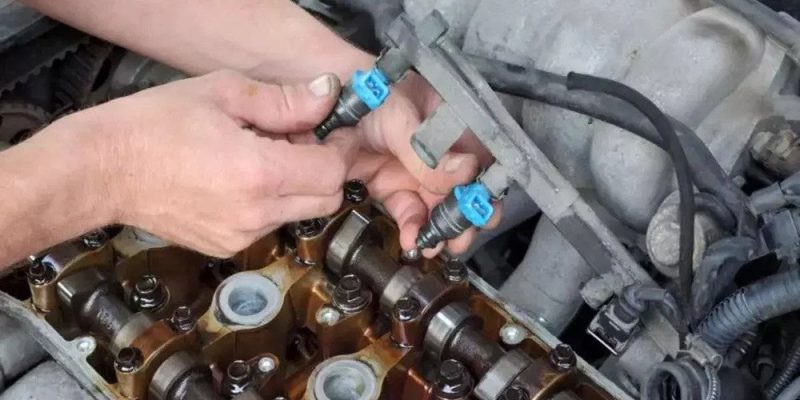
Fuel injection systems are essential for modern engines, ensuring precise fuel delivery for efficient combustion, improved mileage, and reduced emissions. Unlike older carburetor systems, they use advanced technology to supply the exact amount of fuel at the right moment. Understanding fuel injection pump working principles helps explain how fuel is pressurized, accurately timed, and delivered to each cylinder in a controlled sequence, resulting in smoother engine performance, better efficiency, and reliable power output.
What is a Fuel Injection System?
A fuel injection system is responsible for delivering fuel from the tank to the engine’s combustion chamber in a controlled and accurate manner. It combines mechanical components with electronic controls to optimize engine performance under different driving conditions.
Step-by-Step Process of Fuel Delivery
Here is how a fuel injection system works in a structured sequence:
- Fuel Storage in the Tank
The process begins with fuel stored in the vehicle’s fuel tank. The tank is designed to safely hold fuel and prevent contamination.
- Fuel Pump Activation
When the engine is started, the fuel pump activates. Its primary job is to draw fuel from the tank and push it toward the engine at a consistent pressure. In most modern vehicles, this pump is electrically powered.
- Fuel Filtration
Before reaching the engine, the fuel passes through a fuel filter. This step is crucial because it removes dirt, debris, and impurities that could damage the injectors or reduce engine efficiency.
- Fuel Pressure Regulation
A pressure regulator ensures that fuel is maintained at the correct pressure level. Too much or too little pressure can disrupt the injection process and affect engine performance.
- Electronic Control Unit (ECU) Monitoring
The ECU acts as the brain of the system. It collects data from various sensors, such as:
- Engine temperature sensor
- Airflow sensor
- Throttle position sensor
Based on this information, the ECU determines the exact amount of fuel needed for combustion.
- Fuel Injection Through Injectors
The fuel injectors receive signals from the ECU and spray fuel into the combustion chamber or intake manifold. The fuel is atomized into a fine mist, allowing it to mix efficiently with air.
- Combustion Process
Once the air-fuel mixture is prepared, it is ignited (in petrol engines by spark plugs, and in diesel engines by compression). This controlled explosion produces the power needed to run the engine.
Key Advantages of Fuel Injection Systems
Fuel injection systems offer several benefits compared to traditional systems:
- Improved Fuel Efficiency
Precise fuel delivery reduces wastage.
- Better Engine Performance
Engines run smoother and respond quickly to acceleration.
- Lower Emissions
Controlled combustion minimizes harmful exhaust gases.
- Reliable Cold Starts
The system adjusts fuel delivery based on temperature conditions.
Fuel injection systems play a vital role in modern automotive technology by delivering fuel in a precise and efficient manner. From pumping and filtering to electronic control and injection, every step is carefully managed to ensure optimal performance. Understanding this process not only enhances your technical knowledge but also helps in maintaining your vehicle for long-term reliability.








Comments