
 By
By 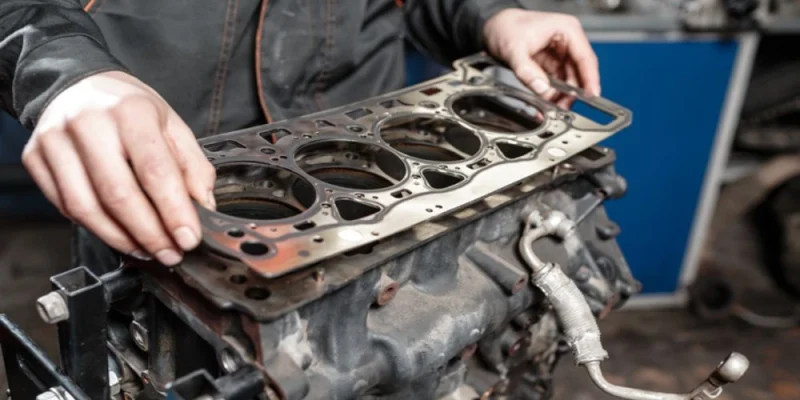
An overhaul is the largest single repair most cars ever receive, and it is the one owners agree to with the least information. The word covers everything from a top-end refresh to a complete strip and rebuild, the price range is correspondingly wide, and the decision is usually made under pressure after a failure. Understanding what an engine overhaul actually involves is what allows an owner to judge whether it is the right choice at all.
What the Term Actually Means
At minimum, a top overhaul removes the cylinder head, replaces the head gasket and valve stem seals, and reconditions the valves and seats. A full overhaul goes further: the engine comes out, the block is stripped, pistons and rings are replaced, bearings renewed, the crankshaft measured and reground if necessary, cylinders honed or rebored, and the head reconditioned. These are very different jobs at very different prices, so the first question to any workshop is which one they are quoting for.
Symptoms That Lead Here
Persistent overheating that has warped a head. Blue smoke from the exhaust indicating oil passing worn rings or valve seals. White smoke and coolant loss suggesting a head gasket failure. Heavy oil consumption without visible leaks. Low compression across cylinders. Knocking from the bottom end pointing to worn bearings. Each of these has a range of possible causes, which is why diagnosis matters before anyone commits to opening an engine.
Insist on Diagnosis First
A compression test and a leak-down test together indicate whether cylinders are sealing and where the loss is going. A cooling system pressure test identifies head gasket failures. Oil analysis can reveal bearing material in circulation. Borescope inspection through a spark plug hole shows cylinder wall and piston crown condition without dismantling anything. These cost little relative to an overhaul and frequently establish that the problem is smaller than feared, or occasionally larger.
The Economics Deserve Honest Arithmetic
An overhaul on a car with nine years of COE remaining is a different proposition from the same work on one with eighteen months left. Weigh the quoted cost against the vehicle’s realistic value, the rebates you would receive on deregistration, and what a replacement would cost. Also weigh the condition of everything else, since an engine rebuilt into a car with a tired transmission and worn suspension simply moves the next large bill six months down the road.
Rebuild, Replace or Deregister
Three options exist and they should all be priced. A rebuild of your existing engine preserves the original unit and its history. A replacement engine, whether reconditioned or a used unit, is often faster and sometimes cheaper, though quality varies and the history is unknown. Deregistration or sale is the right answer where the arithmetic does not support either. A workshop offering engine repair services should be willing to lay out all three rather than assuming the largest job.
What a Proper Quotation Contains
It should list the scope, whether the engine is removed from the vehicle, which components are replaced as standard, which are machined and which are inspected and reused if serviceable, the machining operations included, the gasket and seal set, fluids, and labour hours. It should also state what happens if machining reveals damage requiring additional work, since a crankshaft that turns out to be beyond regrinding changes the number materially. Fixed prices that ignore this always become variations.
Parts, Machining and Who Does What
Most workshops subcontract machining to a specialist shop, which is normal and worth knowing. Ask who does it and whether measurements are documented. Ask whether parts are original manufacturer, quality aftermarket or reconditioned, since the difference in gasket sets, bearings and rings is real and shows up in longevity rather than in immediate performance. Reused bolts on critical joints are a common shortcut; head bolts in particular are frequently single-use.
Find Out What Caused the Failure
An engine rarely wears out for no reason, and rebuilding one without establishing why it failed invites a repeat. Overheating traces back to a failed thermostat, a blocked radiator, a leaking hose or a fan that stopped working. Bearing failure traces back to oil starvation from extended service intervals, a failing oil pump or a blocked pickup. Ring and bore wear can follow a leaking air intake admitting unfiltered air. Ask the workshop what they found and what they believe caused it, and make sure the underlying fault is included in the scope rather than left in place beneath a freshly rebuilt engine.
Related Work Worth Doing Simultaneously
While an engine is out or a head is off, several jobs cost almost nothing extra in labour and considerably more later. Timing belt or chain and tensioners. Water pump. Thermostat. Engine mounts. Clutch, on a manual vehicle, since the gearbox is already separated. Hoses and drive belts. Declining all of these to keep the invoice down usually means paying most of the labour again within two years.
Afterwards
A rebuilt engine needs a running-in period with an early oil change to remove machining debris, and gentle use for the first several hundred kilometres. Expect a return visit to re-torque and re-check. Ask what warranty covers the work, for how long and how many kilometres, and what voids it. Approached with proper diagnosis, honest arithmetic and a documented scope, an engine overhaul is a considered investment rather than the gamble it usually feels like.







Comments