
 By
By 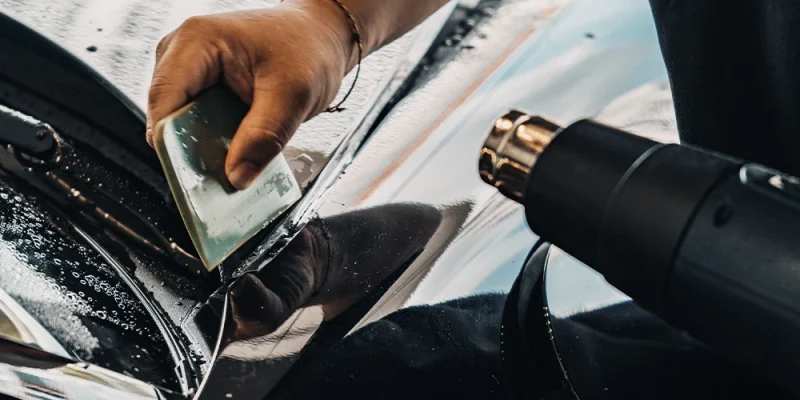
Paint protection film has traditionally been associated with one simple goal: keeping a vehicle’s original paint looking as untouched as possible. Clear films remain popular for exactly that reason, but drivers increasingly want protection that also changes the character of the finish. Satin film occupies that middle ground, offering a softer, more refined appearance without the completely flat effect of a matte wrap.
Choosing the best PPF is therefore no longer just a matter of comparing thickness or warranty terms. Finish quality, optical consistency, stain resistance, self-healing performance, installation characteristics, and long-term appearance all matter. For drivers interested in a satin look, those details become especially important because even small inconsistencies can be easier to notice across large body panels.
Why Satin PPF Has Become a Distinct Protection Category
Satin PPF changes the way light reflects from a painted surface. Instead of producing the sharp reflections associated with high-gloss paint, it creates a smoother, diffused sheen. The result often looks more understated than gloss while retaining more depth than a fully matte finish.
This visual balance is one reason satin films work well on performance cars, luxury vehicles, SUVs, and modern EVs. Strong body lines remain visible, yet reflections are softened enough to give the paint a more tailored appearance.
The practical appeal is just as important. Unlike a conventional vinyl color-change wrap, quality paint protection film is designed primarily to defend the underlying paint from common road hazards. Stones, road debris, insects, light scratches, and environmental contamination can all affect an unprotected finish over time.
A satin film can therefore provide both a styling change and a physical barrier without requiring the vehicle to be permanently repainted.
Film Construction Matters More Than Appearance Alone
It is easy to compare PPF based on how it looks in photographs, but the quality of the material beneath the surface is far more significant.
Most premium paint protection films use thermoplastic polyurethane as their main protective layer. This material offers a useful combination of flexibility, impact resistance, and conformability. A well-engineered film can stretch around complex body shapes while maintaining consistent coverage.
The topcoat is another crucial element. Modern films often use advanced surface coatings designed to resist staining, oxidation, water spotting, and minor abrasions. Some include self-healing properties, allowing light swirl marks and superficial scratches to become less noticeable when exposed to warmth.
With satin films, the topcoat also influences visual uniformity. The surface texture has to scatter light consistently across the entire panel. If the finish varies from one section to another, the vehicle may appear patchy under direct sunlight or bright indoor lighting.
That makes manufacturing quality especially important when comparing films that may initially look very similar.
A Good Satin Finish Should Look Consistent From Every Angle
The best satin finish is usually the one that looks intentional rather than obviously applied.
A high-quality film should maintain an even sheen across flat panels, curved areas, edges, and transitions between body sections. The underlying paint color should remain recognizable while reflections become softer and less mirror-like.
Clarity still matters, even though satin film is not designed to look transparent in the same way as gloss PPF. Poor-quality materials may create excessive haze, uneven texture, or a cloudy appearance that reduces the depth of darker paint colors.
Black, dark blue, deep green, and metallic gray finishes are particularly useful for judging film quality because inconsistencies tend to be more visible on them. Lighter colors can be more forgiving, although surface uniformity remains important.
Samples are useful when available. Viewing a film outdoors and under artificial lighting provides a better impression than relying solely on product photographs.
Self-Healing Performance Adds Everyday Practicality
Minor scratches are unavoidable on vehicles used regularly. Washing, drying, brushing against vegetation, and routine contact can all leave small marks on an exposed surface.
Self-healing PPF is designed to reduce the visibility of these superficial abrasions. Heat allows the topcoat to relax and return closer to its original form. Warm weather may be sufficient in some cases, while warm water can help with other light marks.
This feature does not make the film indestructible. Deep cuts, sharp impacts, and damage that penetrates the protective layers may remain visible or require film replacement.
Still, self-healing technology can make a meaningful difference to long-term appearance. Satin finishes depend heavily on an even surface texture, so reducing visible swirl marks helps preserve the original aesthetic of the film.
Stain Resistance Should Be a Major Buying Consideration
Vehicles encounter far more than road debris. Bird droppings, insects, tree sap, tar, mineral deposits, oils, and polluted rainwater can all leave marks on exterior surfaces.
A strong hydrophobic or stain-resistant topcoat makes routine maintenance easier by reducing the tendency of contaminants to bond aggressively with the film.
This matters particularly with satin finishes because polishing is not normally used in the same way it would be on glossy paint. Aggressive polishing could alter the texture or sheen of the protected area, creating an obvious difference from surrounding panels.
Prevention is therefore preferable. Selecting a film with a durable topcoat and cleaning contaminants promptly can help maintain a consistent finish.
Owners should also follow the specific maintenance guidance supplied for their chosen film rather than treating satin PPF exactly like ordinary clear coat.
Installation Quality Can Determine the Final Result
Even the most advanced film will perform poorly if it is installed incorrectly.
Professional PPF installation involves much more than placing material over painted panels. The surface must be properly washed, decontaminated, inspected, and prepared before application begins. Existing paint defects may remain visible beneath the film, so correction work can sometimes be worthwhile beforehand.
During installation, the technician must control stretch, alignment, moisture, edge placement, and tension. Satin material makes precision particularly important because differences in stretch can sometimes influence surface appearance.
Panel coverage also deserves attention. Some installations use pre-cut patterns, while others involve more extensive wrapping around accessible edges. Neither approach is automatically superior in every situation. Vehicle design, installer experience, film characteristics, and owner expectations all affect the best method.
A clean installation should look integrated with the vehicle rather than layered on top of it.
Full-Body Coverage Creates the Most Uniform Satin Look
Partial PPF is common when the primary objective is impact protection. A front bumper, hood, fenders, and mirrors can receive protection while the remainder of the vehicle stays uncovered.
Satin film presents a different consideration. Because it changes surface reflectivity, covering only selected panels may create an intentional two-finish effect. Some owners like that contrast, but others may find it visually inconsistent.
Full-body application is often preferred when the goal is to transform the entire vehicle into a satin finish. It creates greater consistency between adjacent panels and eliminates most transitions between glossy paint and satin-covered sections.
The decision should depend on both budget and aesthetic goals. Someone interested primarily in protecting high-impact areas may choose partial coverage, while someone seeking a complete visual transformation will usually benefit from broader installation.
Longevity Depends on Material, Environment, and Care
PPF lifespan is influenced by several factors rather than a single specification.
Film construction and adhesive quality matter, but environmental exposure also plays a major role. Vehicles stored outdoors in intense sunlight experience different conditions from cars kept primarily in garages. Climate, road salt, pollution, washing methods, mileage, and chemical exposure can all affect aging.
Proper maintenance helps considerably. Gentle hand washing, suitable automotive cleaners, prompt removal of contaminants, and careful drying generally place less stress on the surface than harsh chemicals or aggressive mechanical washing.
Warranty terms can also provide useful clues when comparing products. Buyers should look beyond headline warranty length and understand what is actually covered, including discoloration, cracking, bubbling, adhesive failure, or other defined defects.
Choosing Satin Car Paint Protection Film With the Right Priorities
The best film is not necessarily the one with the thickest specification sheet or the longest list of features. A better approach is to consider how the vehicle will actually be used and what the owner expects it to look like several years after installation.
Impact resistance matters for frequently driven vehicles. Surface consistency matters when appearance is the priority. Stain resistance becomes especially valuable for cars parked outdoors, while installation support and reliable material supply are important for both installers and owners.
It is also worth comparing films from established manufacturers and specialist PPF companies rather than judging products by price alone. For example, ClearPro provides information about its satin car paint protection film within its paint protection film range, giving buyers another reference point when reviewing how satin products are positioned and specified.
Ultimately, good satin PPF should accomplish two things quietly: protect the original paint and create a finish that continues to look deliberate rather than temporary. When film quality, surface technology, installation, and maintenance are considered together, satin protection can offer an effective combination of durability and restrained visual character.



Comments